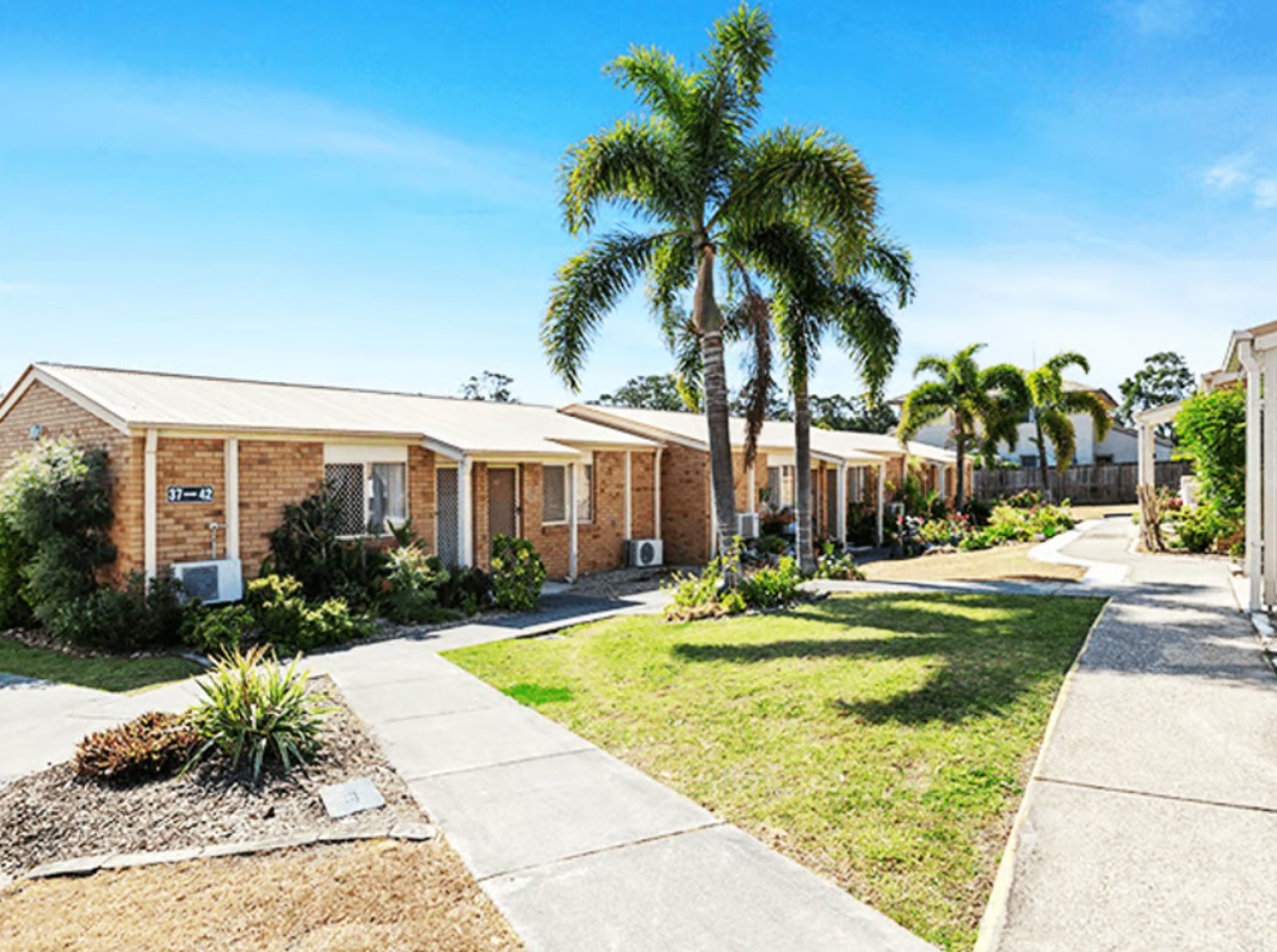
Aged care residents travel the world without leaving their home
01/04/2026

Technology is a vital tool in entertaining aged care residents and will play an increasing part.
The calls of “Tickets Please” and “All Aboard the St Vincent’s Express” rang out, as residents of St Vincent’s Care Toowoomba, Queensland’s largest inland City, got ready to ‘travel the world’ all from the comfort and safety of their own aged care home.
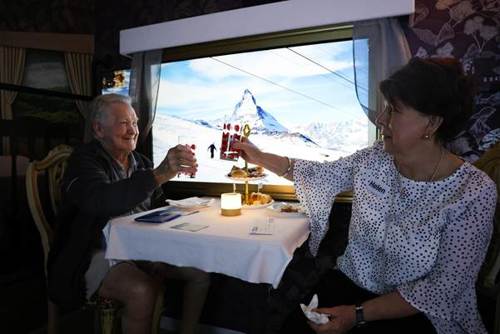
In a world-first, St Vincent’s Care Toowoomba has built the first permanent immersive travel experience using virtual reality (VR) technology – creating a ‘fine dining rail carriage’ called the St Vincent’s Express where residents can take in the sights, sounds and tastes of 10 countries.
“This groundbreaking initiative creates a world-first aged care experience that will significantly benefit the residents of St Vincent's Care Toowoomba, particularly those living with dementia and/or experiencing cognitive decline,” said the Not For Profit.
While there are other VR travel experiences in aged care that use VR goggles, this is a world-first as it's the first built permanent virtual travel experience in aged care. St Vincent’s has transformed a room which used to be a training room and fitted it out to look like a real train fine dining carriage.
St Vincent’s aged care residents will also be able to experience regional cuisines while they're rattling along through Europe and nine other exotic destinations around the world.
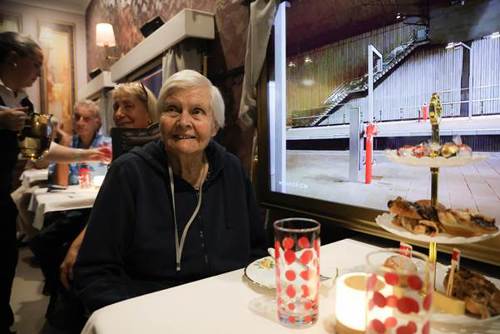
Up to 10 residents can sit in the ‘train carriage’ with the immersive travel experience being screened on six ‘windows’ (large TV screens) around them, while an AI Avatar gives them a travel commentary - which is available in five different languages!
“With 175 residents in care at St Vincent's Toowoomba, nearly half of whom are facing cognitive challenges, this project presents an invaluable opportunity to improve their quality of life and bring some pure joy into their daily lives,” said the Not For Profit.
Among the first VIP train travellers were former Queensland Police Minister and one of Queensland’s longest serving politicians Vince Lester and his wife Mary, who are both residents at St Vincent’s Care Toowoomba; as well as fellow resident Nola Orford who has been a frequent traveller over the years.
“This was just fantastic and all credit is due to the amazing St Vincent’s team who created this great innovation. My wife Mary and I were lucky enough to travel to Switzerland when we were younger and this immersive travel experience made us feel like we were really back there,” says Vince.
Nola Orford was among the residents who enjoyed Swiss chocolate, cheese and pastries as they travelled through snow-capped mountains.
“What a joyous and wonderful escape it was to feel like I was back travelling the world again. I’m told it can take you to 10 countries and I’d love to come back and see more but I’ll have to wait and give other residents a chance first before I get to travel again on the St Vincent’s Express,” says Nola.
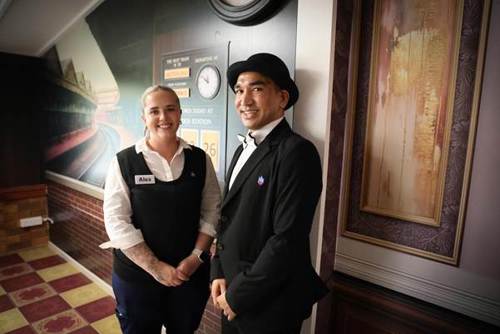
The St Vincent’s Express has been a passion project of St Vincent’s Toowoomba Residential Care Services Manager Elzette Lategan, who conceived of the idea two years ago after hearing about a mobile immersive reality experience called the Olive Express, built by Queensland man Che Turner.
“I had been looking for an idea that would offer a completely different experience for our residents and which also would be very stimulating for them, especially residents who had some form of cognitive impairment,” says Elzette.
“I wanted it to be innovative and fun. Almost everyone enjoys travelling and I know a lot of our residents have travelled internationally when they were younger.
“Many of them would still love to travel overseas but it’s just not practical or possible for them anymore. So I thought ‘Why don’t we bring the travel and the world to them?’”
Elzette has worked in aged care since 1990 (originally in South Africa) and her work with St Vincent’s dates back to 2016. She and her family moved to Toowoomba in 2002.
At one stage she moved back to South Africa to care for her mother who had been diagnosed with dementia. And it was her mother, who provided some of the inspiration and guidance for the St Vincent’s Express project.
“At every point in the planning stage, I asked myself, ‘Would Mum like this? Would she be happy with this?” says Elzette.
“This initiative is more than just entertainment or an escape for the residents. It’s an innovative approach to therapy that fosters mental stimulation, emotional engagement, and social interaction.
“The ability to virtually visit destinations, experience regional cuisines, and engage with family members through shared digital experiences will provide comfort and connection for residents, particularly those with cognitive decline like dementia and those in palliative care.
“There are many benefits to the VR train travel including promoting social engagement and promoting movement, keeping the brain active, providing educational opportunities and, for people living with dementia or Alzheimers, VR can provide a sense of comfort by evoking memories from the past and feelings of nostalgia and joy.”
The flexible design of the train carriage ensures accessibility for all residents, whether seated or even if they're immobile - making this an inclusive and meaningful enhancement to their daily lives.
All travellers on the St Vincent’s Express get a rail ticket and passport for their special journey stamped with each country they visit.
CEO of St Vincent’s Care Services Lincoln Hopper says the St Vincent’s Express immersive rail travel experience was a great example of how staff went above and beyond the everyday, to provide exceptional service to residents.
“Great aged care is about far more than meeting clinical needs. It is about creating opportunities for older Australians to continue exploring, learning and experiencing the world in ways that bring joy and meaning to every stage of life," says Lincoln.
"The Virtual Train brings a sense of discovery into the home, allowing residents to journey to new places, revisit familiar landscapes and share stories together. Meaningful experiences and a sense of adventure should never stop with age.
“At St Vincent’s Care, initiatives like this reflect our commitment to enriching the lives of the people we care for. Thoughtful ideas like the St Vincent’s Express help create moments of joy, connection and shared experience for residents and their families.”
“This is the kind of innovation helping to shape the future of aged care, ensuring residents are supported not only with the care they need, but with experiences that continue to bring connection to everyday life.”
Olive Express was a supplier of video and audio content for the St Vincent’s project.